Is Vaginal Filler the Right Solution for Laxity? A Clinical Guide from a Sinsa Station Gynecologist
Understanding Vaginal Relaxation Syndrome: Causes and Pathophysiology
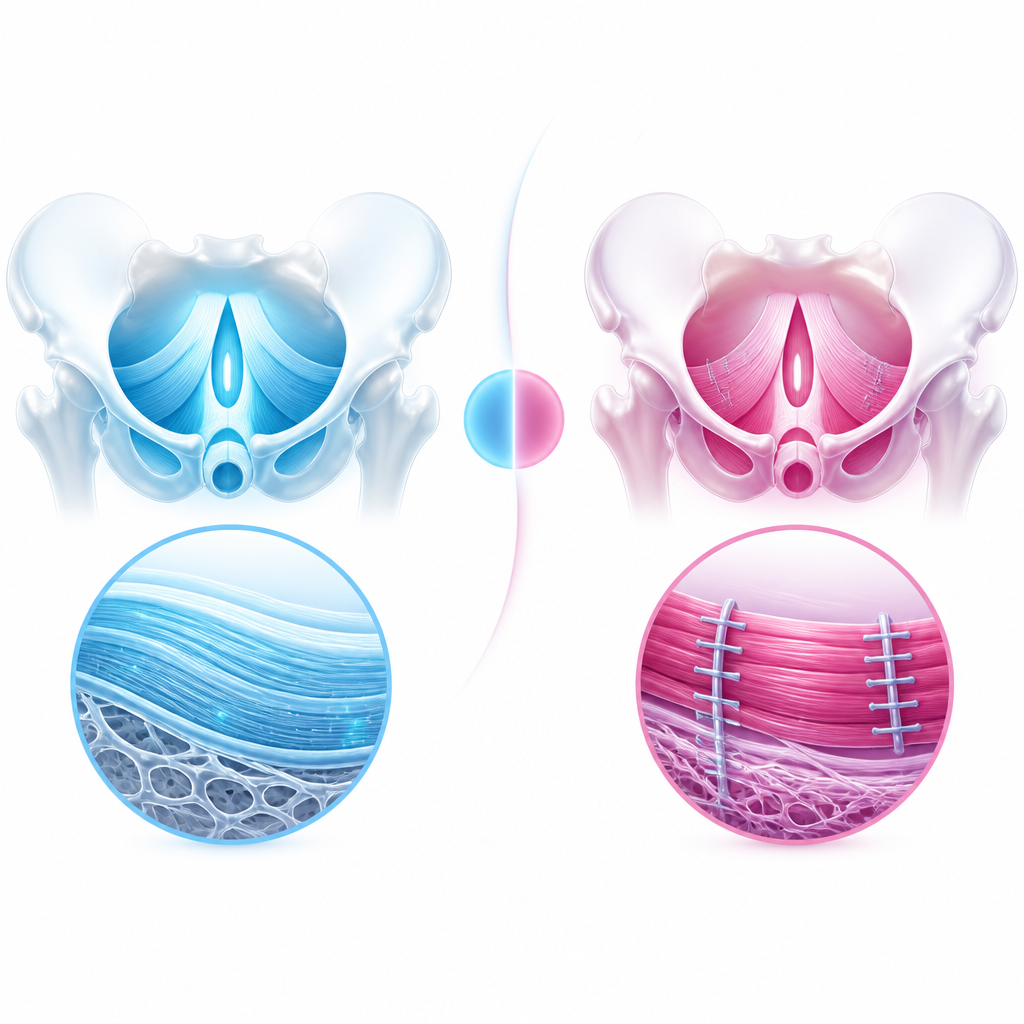
Vaginal relaxation syndrome (VRS) is a progressive anatomical and physiological condition characterized by the loss of structural integrity, optimal diameter, and elasticity within the vaginal canal. This condition is primarily driven by the overstretching and micro-tearing of the pelvic fascia and supportive pelvic floor muscles (such as the levator ani) during vaginal childbirth. Additionally, it is compounded by the natural degradation of collagen and elastin fibers associated with aging and the gradual decline of estrogen levels. If left unmanaged, progressive tissue laxity can lead to physical discomfort, diminished sensory response, and early-stage pelvic floor instability.
Treatment timing: Diagnostic evaluation is highly recommended at the early onset of mild to moderate laxity symptoms, such as decreased frictional sensation or vaginal flatulence, before advanced pelvic organ prolapse develops.
Non-surgical care: Conservative management, including structured pelvic floor muscle training (Kegel exercises) and localized biocompatible filler injections, is highly reasonable for patients with grade 1 or 2 vaginal relaxation who wish to avoid surgery.
Treatment selection: The therapeutic path is guided by the patient’s precise vaginal pressure measurements, pelvic tissue compliance, reproductive history, and expectations regarding post-treatment recovery downtime.
How Do Vaginal Fillers Compare to Surgical Vaginoplasty?
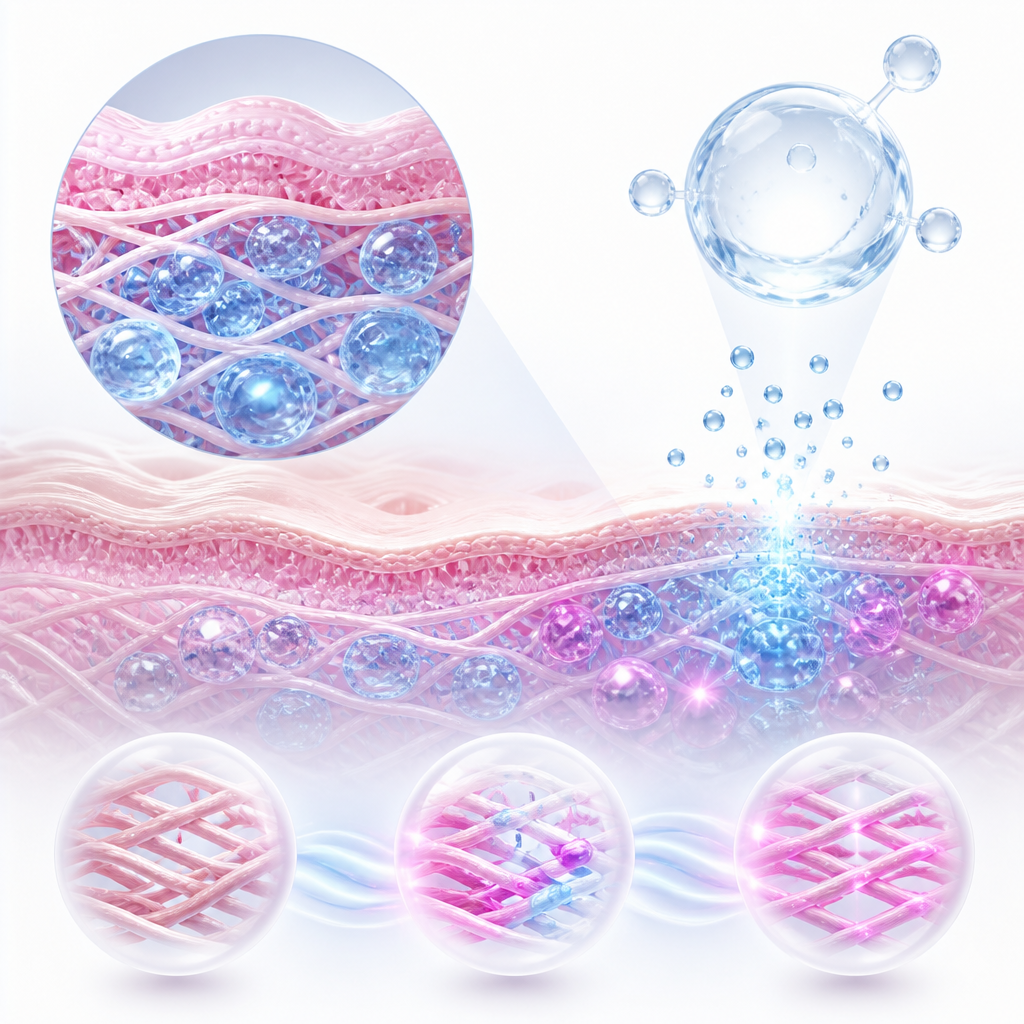
When seeking solutions for tissue relaxation, patients often compare non-surgical injectables with traditional surgical interventions. According to multiple observational studies and clinical registries, the clinical selection criteria depend heavily on the severity of the laxity and the patient’s lifestyle. Vaginal filler procedures work by introducing highly cohesive, biocompatible hyaluronic acid into the submucosal layer of the vaginal wall, instantly increasing friction and encouraging long-term collagen synthesis. This represents a significant shift from surgical reconstruction, which physically alters the pelvic anatomy.
| Parameter | Hyaluronic Acid Vaginal Fillers | Surgical Vaginoplasty |
|---|---|---|
| Primary Mechanism | Submucosal injection to restore volume and stimulate collagen | Surgical excision of redundant mucosa and muscle tightening |
| Recovery Period | 1 to 2 days; resume physical intimacy in 5 to 7 days | 4 to 6 weeks of strictly restricted activity |
| Anesthesia Method | Local infiltration or topical anesthetic cream | General, spinal, or deep intravenous sedation |
| Longevity & Retention | Typically 12 to 18 months (reabsorbable material) | Semi-permanent, though subject to natural aging |
| Key Clinical Limitation | Requires periodic maintenance sessions for sustained volume | Inherent surgical risks, scarring, and permanent structural alteration |
According to official guidelines from international academic consensus on female pelvic health, both objective physiological measurements of the vaginal canal and subjective patient-reported quality-of-life scores should be reviewed together to design the safest treatment plan.
Who Is the Ideal Candidate for Vaginal Filler Treatment?
Identifying the appropriate clinical profile is critical to achieving high patient satisfaction and optimal tissue response. Non-surgical vaginal tightening is highly effective for specific indications, whereas other conditions may necessitate advanced surgical repair. Below is a checklist and a structured decision-making pathway to guide prospective patients.
- Mild to moderate vaginal relaxation syndrome following vaginal delivery.
- Sensation of structural emptiness or decreased physical friction during intercourse.
- Clear medical preference to avoid surgical incisions, general anesthesia, and long recovery times.
- Desire for a treatment that does not compromise or prevent future vaginal childbirth.
- Mild symptoms of vaginal dryness or mucosal thinning associated with early estrogen reduction.
Clinical Decision Flow (If-Then Pathway):
- If the patient presents with mild anatomical laxity and intact deep pelvic floor support, then non-surgical hyaluronic acid fillers combined with pelvic floor muscle training are highly indicated.
- If the patient exhibits moderate tissue relaxation but prefers to avoid surgical intervention, then a targeted submucosal injection program using specialized, high-cohesive medical fillers should be recommended.
- If the patient presents with severe vaginal relaxation, deep fascial tearing, or pelvic organ prolapse (such as cystocele or rectocele), then the patient should be referred for surgical vaginoplasty or reconstructive consultation.
However, outcomes may differ in exceptional cases such as patients with severe pre-existing pelvic floor dysfunction, active pelvic infections, or poorly managed metabolic disorders, which require comprehensive pre-treatment resolution.
Frequently Asked Questions FAQ
QHow long does the vaginal filler procedure take, and is it painful?
The procedure is highly efficient, typically taking between 15 and 20 minutes to complete. It is performed under local or topical numbing creams, which ensures minimal physical discomfort. Most patients describe feeling only a mild, temporary pressure during the injection process.
QWhen is it safe to resume normal daily activities and physical intimacy?
Patients can resume light daily tasks immediately after leaving the clinic. However, to ensure the optimal integration of the hyaluronic acid within the submucosal tissue layers, it is clinically recommended to avoid sexual intercourse, intense physical workouts, hot saunas, and swimming pools for 5 to 7 days post-procedure.
QAre there any risks or side effects associated with vaginal fillers?
Minor and self-limiting side effects, such as mild swelling, localized redness, or slight tenderness, may occur and typically resolve within 2 to 3 days. Because high-purity, biocompatible hyaluronic acid is utilized, the risk of allergic or foreign-body reactions is exceptionally low when performed by an experienced gynecologist.

This content is general medical information, and individual treatment decisions should be made through imaging tests and in-person medical evaluation.
Author: Medical content editor based on medical information research
Reviewed by: Specialist consultation from the relevant department
Last reviewed: 2026-07-22
Reference guideline: 2022 Aesthetic Gynecology Society Guidelines & PubMed literature reviews
Medical neutrality and closing note
The core of medical decision-making is not to follow a specific device or a trending procedure, but to choose an option that fits each patient’s individual anatomy, condition, risk level, and treatment goals. Every procedure has both advantages and limitations, so decisions should be made after sufficient discussion with an experienced specialist.
[Medical information and copyright notice]
This content is a professional medical column prepared based on medical consultation from 다움산부인과.
The infographics used in this article are created to support understanding and may differ from actual clinical results.
The information provided is a general medical guideline, and accurate diagnosis and treatment require an in-person evaluation by a qualified specialist.