When is Labiaplasty Medically Necessary? Structural Criteria and Surgical Standards in Bongeunsa Station Gynecology
Why Do Many Women Experience Functional Discomfort and Seek Gynecological Evaluation?
Many women experience persistent physical discomfort due to structural changes in their intimate areas, yet they often hesitate to seek clinical evaluation due to the sensitive nature of the condition. At our gynecology clinic near Bongeunsa Station, we focus on addressing the functional, physiological, and structural issues of labial hypertrophy. Anatomically, labial hypertrophy is a progressive or congenital variation of the labia minora where the bilateral delicate cutaneous folds surrounding the vaginal vestibule extend significantly beyond the labia majora. This structural enlargement often leads to chronic mechanical friction during daily activities, localized epithelial tissue micro-tears, and recurrent vulvovaginitis due to trapped moisture and altered microbial balance.
Treatment timing: Surgical intervention is highly recommended when conservative measures fail to alleviate chronic inflammation, mechanical pain, or hygiene difficulties, typically associated with Grade 3 or 4 hypertrophy.
Non-surgical care: Conservative management, including pelvic hygiene adjustments, barrier creams, and lifestyle modifications, is reasonable for mild cases (Grade 1 or 2) without severe functional impairment.
Treatment selection: The choice of surgical technique depends on the individual’s tissue elasticity, degree of hyperpigmentation, and specific anatomical extension of the labia minora.
What Are the Diagnostic Guidelines and Surgical Options for Labial Hypertrophy?
According to multiple observational studies and meta-analyses published in the Journal of Lower Genital Tract Disease (2021), clinical grading systems help determine the necessity of surgical resection. While mild hypertrophy can often be managed conservatively, severe cases causing constant irritation during exercise, walking, or sexual intercourse require a precise surgical approach. The selection of the surgical method is a key factor in ensuring a safe recovery and preventing postoperative complications like wound dehiscence.
| Treatment Method | Primary Advantage | Key Limitation | Recommended Candidates |
|---|---|---|---|
| Laser Ablation (Labiaplasty) | Minimal bleeding and faster initial epithelial tissue recovery due to micro-vascular sealing. | Requires advanced surgical expertise to avoid thermal damage to adjacent delicate sensory nerves. | Patients seeking rapid return to daily activities with moderate tissue enlargement. |
| Cold Scalpel Resection | Highly precise incisions with zero thermal tissue damage, preserving native cellular structures. | Higher risk of intraoperative bleeding, requiring meticulously placed sutures that may extend recovery time. | Patients with severe fibrotic hypertrophy or complex structural asymmetry. |
According to official guidelines or academic evidence, both quantitative criteria and clinical judgment should be reviewed together.
However, outcomes may differ in exceptional cases such as patients with systemic collagen disorders, active vulvar infections, or localized dermatological conditions like lichen sclerosus, where tissue healing properties are compromised.

How Do You Determine the Best Clinical Path for Your Needs?
In our gynecology clinic near Bongeunsa Station, we walk patients through a rigorous evaluation process to ensure safety and prevent postoperative complications such as wound dehiscence. Before deciding on surgical resection, patients should review the following self-assessment criteria:
- Do you experience physical pain or a pulling sensation during exercise, walking, or prolonged sitting?
- Is there recurrent swelling, itching, or vulvovaginitis that does not resolve with standard topical treatments?
- Does the asymmetrical size of the labia minora cause hygiene difficulties during menstrual cycles?
- Have conservative adjustments, such as wearing loose clothing and using barrier creams, failed to provide relief?
Step 1: Clinical Diagnostics If physical symptoms persist for more than 6 months, schedule a high-resolution examination to check for anatomical structural variations.
Step 2: Method Customization If tissue elasticity is healthy and hyperpigmentation is a concern, consider laser ablation to achieve both functional relief and aesthetic symmetry.
Step 3: Recovery Protocol If surgical resection is performed, strictly follow the post-operative care guidelines, including localized icing and avoiding strenuous physical activity for at least 4 weeks to prevent wound dehiscence.
Frequently Asked Questions FAQ
QIs the recovery process after labiaplasty exceptionally painful?
While pain tolerance varies, most patients describe the discomfort as a mild, manageable burning sensation. This can be controlled effectively with prescribed anti-inflammatory medications. Severe pain is rare when modern surgical techniques are utilized at our clinic near Bongeunsa Station.
QHow long after the procedure can I return to normal exercise?
Light walking is encouraged immediately, but strenuous exercises, cycling, and heavy lifting should be avoided for 4 to 6 weeks. This protects the delicate sutures from tension and prevents complications like wound dehiscence.
QWill the surgery affect sensory sensitivity?
A properly executed surgical resection targets only the excess outer tissue of the labia minora, avoiding the dense nerve pathways of the clitoral hood. When performed by a qualified specialist in gynecology, there is no adverse impact on sexual sensation.

This content is general medical information, and individual treatment decisions should be made through imaging tests and in-person medical evaluation.
Author: Medical content editor based on medical information research
Reviewed by: Specialist consultation from the relevant department
Last reviewed: 2026-07-27
Reference guideline: 2021 American College of Obstetricians and Gynecologists (ACOG) Clinical Guidelines
Medical neutrality and closing note
The core of medical decision-making is not to follow a specific device or a trending procedure, but to choose an option that fits each patient’s individual anatomy, condition, risk level, and treatment goals. Every procedure has both advantages and limitations, so decisions should be made after sufficient discussion with an experienced specialist.
[Medical information and copyright notice]
This content is a professional medical column prepared based on medical consultation from 다움산부인과.
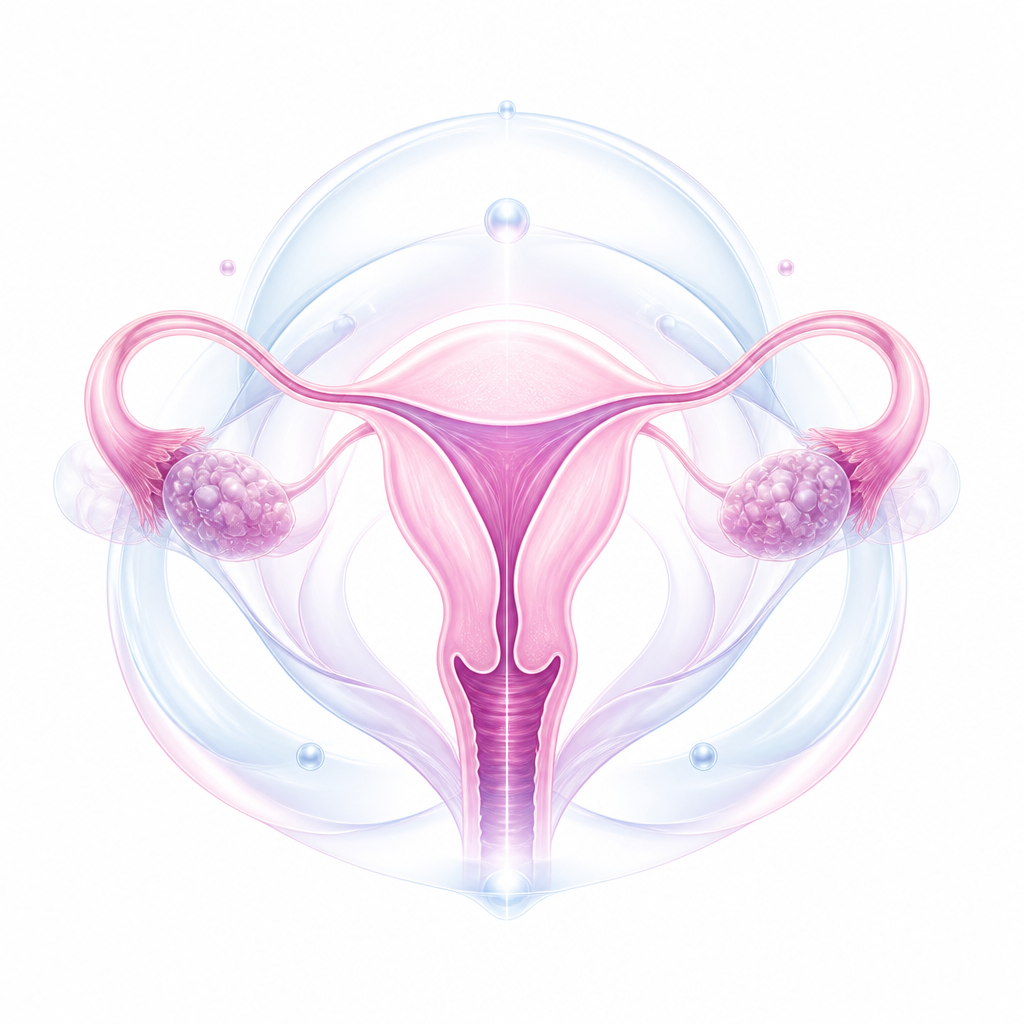
The infographics used in this article are created to support understanding and may differ from actual clinical results.
The information provided is a general medical guideline, and accurate diagnosis and treatment require an in-person evaluation by a qualified specialist.