Is Labiaplasty the Right Choice for Chronic Discomfort? Structural Criteria and Surgical Methods Explained by a Gynecology Specialist near Bongeunsa Station
Why Does Labia Minora Hypertrophy Cause Persistent Physical and Physiological Discomfort?
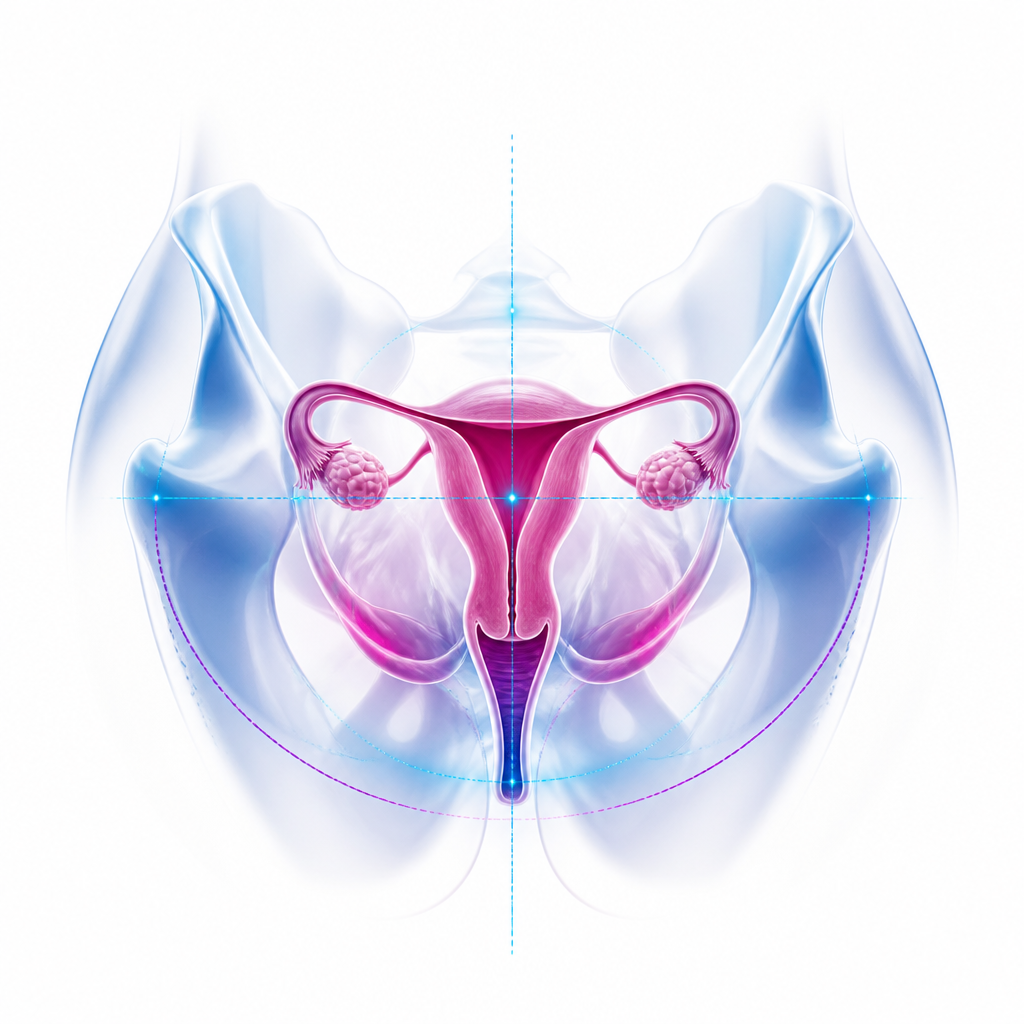
Labia minora hypertrophy is defined as a progressive anatomical variation where the inner vaginal lips project beyond the protective boundaries of the labia majora. This condition is not merely a cosmetic concern; it often leads to chronic mechanical irritation, micro-trauma, and compromised local hygiene. Anatomically, the labia minora consist of highly vascularized connective tissue rich in sebaceous glands and sensory nerve endings. When these tissues become hypertrophied due to hormonal fluctuations, childbirth, or genetic factors, they are constantly subjected to friction from clothing, walking, or sitting. This repetitive friction disrupts the protective epithelial barrier, resulting in chronic vulvitis, discomfort, and localized swelling.
From a clinical perspective, hypertrophied tissues can trap moisture, menstrual blood, and vaginal secretions, creating an environment highly conducive to bacterial overgrowth and chronic yeast infections. Women experiencing these symptoms often seek evaluation at a specialized gynecology clinic near Bongeunsa Station to determine if their physical discomfort warrants surgical correction. Understanding the physiological mechanisms of this progressive tissue expansion is the first step toward finding a lasting, medically sound solution.
Treatment timing: Surgical intervention is highly indicated when tissue hypertrophy reaches Franco Grade II (2 to 4 cm) or higher, accompanied by persistent pain, recurrent micro-trauma, or localized infections that do not respond to conservative management.
Non-surgical care: Conservative management—such as wearing loose, breathable cotton clothing, utilizing barrier creams to reduce friction, and strict moisture control—is reasonable for Grade I hypertrophy or when functional symptoms are minimal and manageable.
Treatment selection: The choice of surgical technique depends heavily on the patient’s individual anatomy, the degree of hyperpigmentation, tissue elasticity, and the proximity of the hypertrophied tissue to the clitoral hood and vital nerve pathways.
How Do Surgical Techniques Compare in Terms of Tissue Preservation and Esthetics?
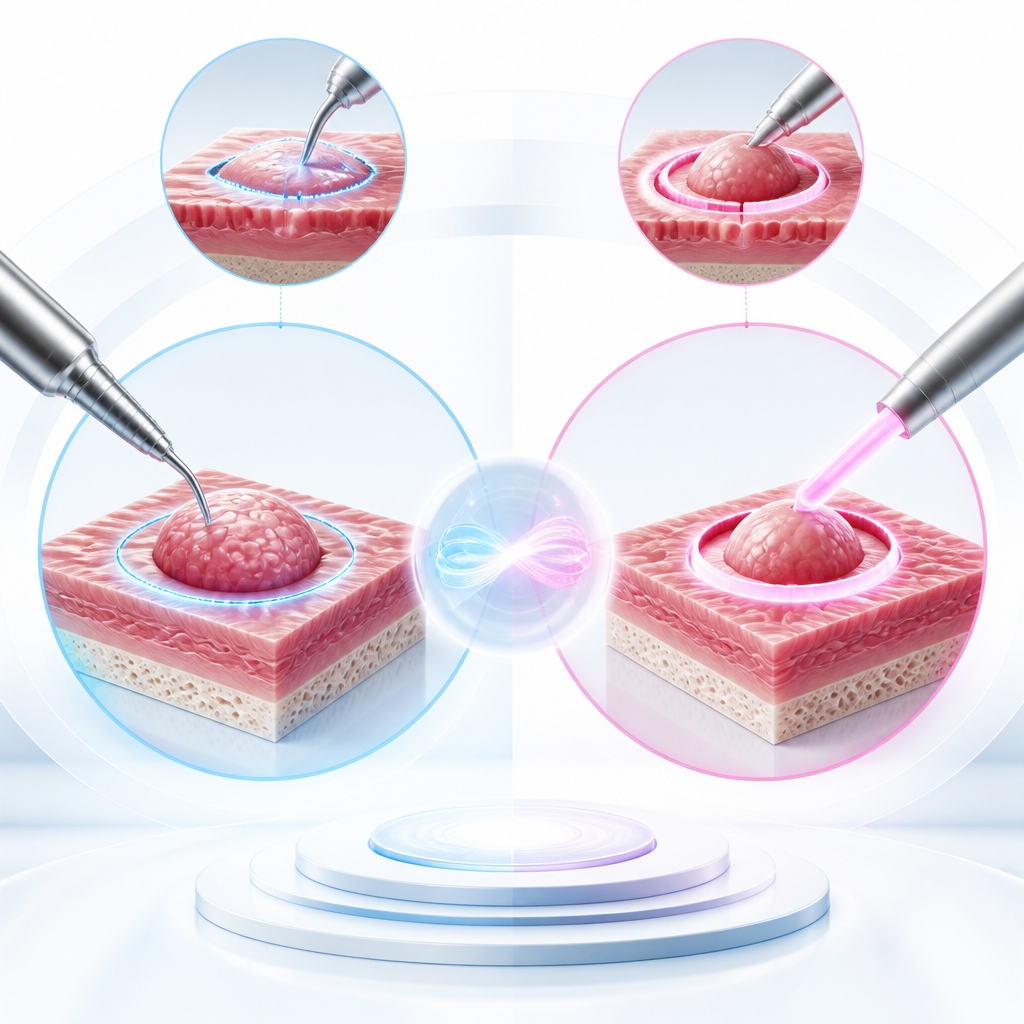
When conservative measures fail to provide relief, surgical correction becomes the gold standard for restoring comfort and function. Modern gynecological surgery employs two primary techniques: edge trim (edge resection) and wedge resection. Each approach targets different anatomical aspects of the labia minora and has specific clinical indications. Selecting the appropriate method requires a detailed preoperative assessment of the tissue’s thickness, edge pigmentation, and overall symmetry.
The edge trim technique involves excising the redundant, hyperpigmented outer borders of the labia minora. This method is highly effective for patients whose primary concern is dark, irregular edges or severe asymmetry across the entire length of the tissue. However, because it removes the natural edge, it may sometimes result in a border that appears slightly less natural if not executed with extreme precision. On the other hand, the wedge resection technique involves removing a V-shaped slice of tissue from the central, thickest portion of the labia minora and suturing the remaining edges back together. This method preserves the natural, delicate contour and color of the outer border. Despite its aesthetic advantages, wedge resection carries a slightly higher risk of wound dehiscence if there is excessive tension along the suture line during the healing phase.
According to multiple observational studies and meta-analyses published in international medical journals between 2018 and 2022, both techniques demonstrate high patient satisfaction rates (exceeding 90%) when matched correctly with the patient’s anatomical presentation. The table below outlines the primary comparative aspects of these two surgical approaches:
| Surgical Parameter | Edge Trim (Edge Resection) | Wedge Resection |
|---|---|---|
| Primary Indication | Severe hyperpigmentation, overall length reduction, and global asymmetry. | Centralized tissue excess with a desire to preserve natural edge contours and color. |
| Tissue Preserved | Central and basal tissue structures. | Natural outer, corrugated edge and original border pigmentation. |
| Aesthetic Advantage | Creates smooth, even, and lighter-toned margins. | Preserves the natural physiological appearance of the labial borders. |
| Primary Limitation | May lead to a scalloped or unnaturally straight edge if over-resected. | Higher susceptibility to localized wound dehiscence at the wedge tip under mechanical tension. |
According to official guidelines from the American College of Obstetricians and Gynecologists (ACOG, 2021), both quantitative hypertrophy criteria and individualized patient-reported functional outcomes must be thoroughly evaluated before deciding on a specific surgical path.
What Are the Essential Criteria to Determine If You Need Labiaplasty?
Deciding to undergo labiaplasty requires a clear understanding of your physical symptoms and anatomical structure. While some women choose the procedure to address asymmetry that causes self-consciousness, the primary clinical drive is functional restoration. If you are experiencing persistent discomfort, evaluating your condition against a structured clinical checklist can help you make an informed decision during your consultation with a gynecology specialist in the Bongeunsa Station area.
- Persistent Physical Friction: Experiencing pain, pulling, or chafing during routine physical activities such as walking, running, or cycling.
- Hygiene and Moisture Retention: Difficulty maintaining local hygiene during menstruation, leading to recurrent vaginal odor or skin irritation.
- Chronic Localized Infections: Suffering from frequent episodes of vaginitis or vulvovaginitis that persist despite proper antibiotic or antifungal treatments.
- Anatomical Asymmetry and Projection: Visible protrusion of the labia minora beyond the labia majora when standing, causing discomfort in tight clothing.
- Difficulty during Intimacy: Pain or mechanical pulling of the excess labial tissue during sexual intercourse, impacting physical comfort and confidence.
To help guide your decision-making process, clinically trained specialists often use a simplified, progressive assessment flow:
Step 1 (Mild Symptoms / Grade I): If you experience minor friction only occasionally and tissue hypertrophy is under 2 cm, initiate conservative care including barrier creams, moisture control, and avoiding tight synthetic underwear.
Step 2 (Moderate Symptoms / Grade II): If symptoms persist despite lifestyle adjustments, or if tissue hypertrophy is between 2 and 4 cm causing recurrent micro-trauma, seek a comprehensive anatomical evaluation at a gynecology clinic near Bongeunsa Station.
Step 3 (Severe Symptoms / Grade III & IV): If you suffer from chronic physical pain, frequent localized infections, or severe asymmetry exceeding 4 cm, custom-tailored surgical resection (wedge or edge trim) is highly recommended to restore local health and function.
However, outcomes may differ in exceptional cases such as patients with uncontrolled systemic connective tissue diseases, active pelvic infections, or a history of keloidal scarring, where wound healing and long-term scarring patterns require alternative management protocols.
Frequently Asked Questions FAQ
QHow long is the recovery period after labiaplasty, and when can I return to normal activities?
Initial epithelial healing typically occurs within 10 to 14 days, after which most patients can return to light, sedentary work and gentle walking. However, deep tissue remodeling and re-epithelialization of the stromal layers continue for approximately 4 to 6 weeks. High-impact exercises, swimming, soaking in baths, and sexual intercourse must be strictly avoided for at least 6 weeks post-surgery. This precaution is vital to prevent wound dehiscence and localized swelling, ensuring that the delicate incisions heal with minimal scarring.
QWill labiaplasty cause a permanent loss of sensation in the intimate area?
When performed by an experienced gynecology specialist who possesses a deep understanding of pelvic anatomy, the risk of permanent sensory damage is extremely low. The primary sensory pathways, including branches of the pudendal nerve, run deeply and are carefully preserved during the dissection. Temporary numbness or altered sensation is common during the first few weeks due to postoperative edema (swelling) and localized nerve irritation. Normal sensitivity almost always returns fully once the swelling completely subsides, typically between 6 to 8 weeks after the procedure.
QCan labiaplasty be safely combined with other pelvic health procedures?
Yes, labiaplasty can often be safely combined with other functional gynecological or pelvic floor surgeries, such as vaginoplasty or clitoral hood reduction, if medically indicated. Combining procedures can minimize overall anesthesia exposure and coordinate the recovery period into a single timeframe. However, the cumulative tissue trauma and healing demands are higher, requiring a meticulous preoperative evaluation of the patient’s baseline cardiovascular health and localized tissue perfusion to ensure safe healing.
This content is general medical information, and individual treatment decisions should be made through imaging tests and in-person medical evaluation.
Author: Medical content editor based on medical information research
Reviewed by: Specialist consultation from the relevant department
Last reviewed: 2026-07-27
Reference guideline: 2021 American College of Obstetricians and Gynecologists (ACOG) Clinical Guidelines on Vulvovaginal Reconstructive Surgery
Medical neutrality and closing note
The core of medical decision-making is not to follow a specific device or a trending procedure, but to choose an option that fits each patient’s individual anatomy, condition, risk level, and treatment goals. Every procedure has both advantages and limitations, so decisions should be made after sufficient discussion with an experienced specialist.
[Medical information and copyright notice]
This content is a professional medical column prepared based on medical consultation from 다움산부인과.
The infographics used in this article are created to support understanding and may differ from actual clinical results.
The information provided is a general medical guideline, and accurate diagnosis and treatment require an in-person evaluation by a qualified specialist.