How Should You Manage Swelling and Ensure Safe Recovery After Labia Majora Plasty?
Why is Postoperative Swelling So Prominent After Labia Majora Plasty?
Labia majora plasty is a delicate gynecological procedure designed to correct laxity, asymmetry, or hypertrophy of the outer vulvar tissues. The perineal region is anatomically characterized by a highly dense network of superficial blood vessels and lymphatic pathways. Consequently, any surgical incision or tissue remodeling in this area triggers an immediate inflammatory cascade, leading to localized fluid accumulation or perineal edema. This progressive swelling typically peaks within 48 to 72 hours post-surgery and is a completely natural biological response, though it requires precise clinical management to prevent further tissue strain.
According to multiple observational studies and clinical guidelines published in the Journal of Gynecologic Surgery (2021), microvascular permeability increases significantly in the immediate postoperative phase. If left unmanaged, excessive swelling can put tension on the suture lines, increasing the risk of minor wound separation or localized discomfort. However, outcomes may differ in exceptional cases such as patients with underlying venous insufficiency or lymphatic drainage disorders, where recovery of the vascular system may take longer. Understanding the physiological mechanisms of swelling allows patients to engage in proactive recovery techniques that safeguard their aesthetic and functional results.
Treatment timing: Swelling begins immediately post-op, peaks between 48 and 72 hours, and gradually subsides by 70% within the first 10 to 14 days under proper care.
Non-surgical care: Conservative management utilizing intermittent cold compression and flat resting postures is highly effective for controlling early inflammatory swelling.
Treatment selection: Personalized recovery protocols are determined based on the specific surgical approach (resection vs. fat transfer), anatomical laxity, and tissue thickness.
How Do Recovery Protocols Differ Across Postoperative Phases?
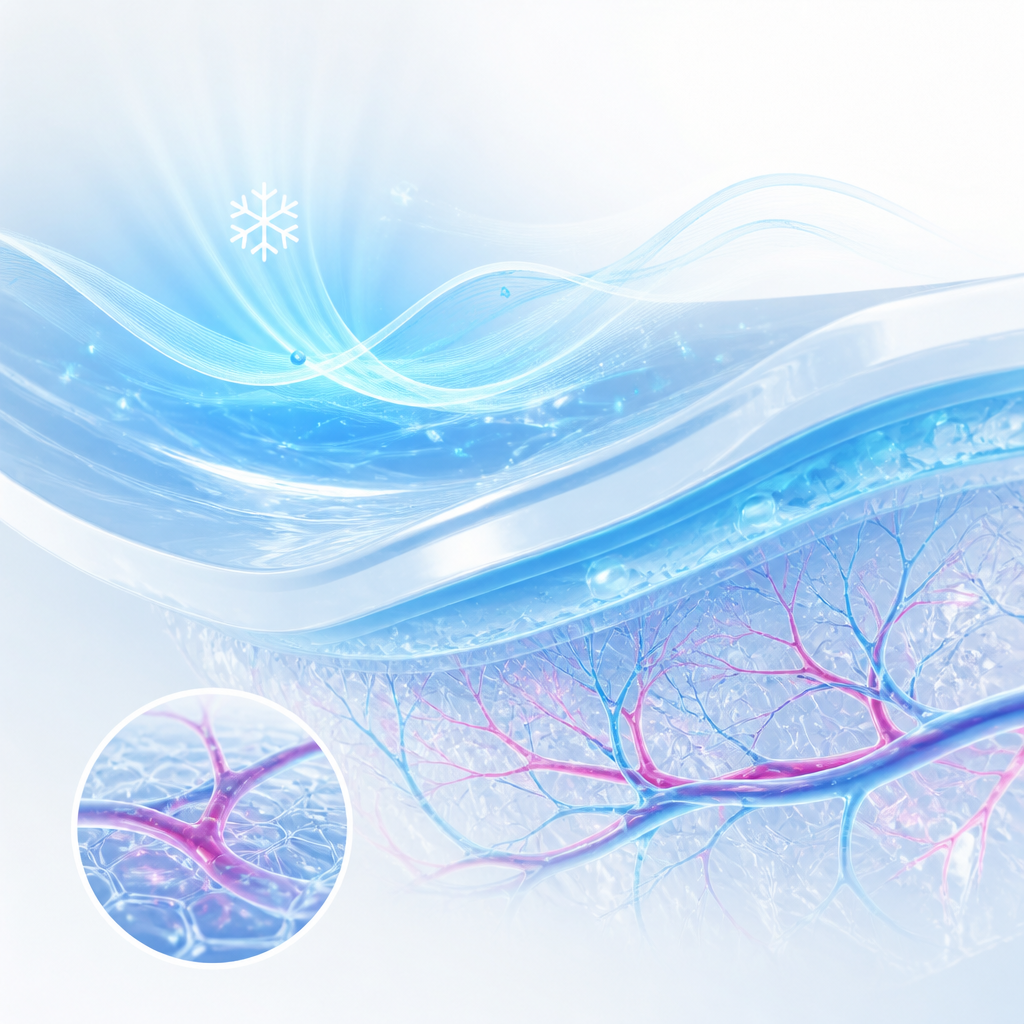
Managing recovery requires different therapeutic approaches as the wound transitions from the acute inflammatory stage to the active proliferative healing phase. In the early stage, the primary objective is to restrict blood flow slightly to limit edema and prevent hematoma formation. In the subsequent subacute phase, the focus shifts to maintaining tissue oxygenation and supporting natural lymphatic drainage without disrupting the delicate healing edges of the skin.
According to clinical guidelines from international gynecological societies, the structured division of thermal therapy and physical restrictions yields the most predictable healing outcomes. Below is a comparison of the clinical protocols recommended during the first two weeks of recovery:
| Recovery Phase | Primary Goal | Therapeutic Action | Key Limitation |
|---|---|---|---|
| Acute Phase (Day 1 3) | Control swelling & hematoma | Intermittent ice pack application (15 mins on/off) | Do not apply direct ice or excessive weight on sutures. |
| Subacute Phase (Day 4 7) | Wound stabilization & hygiene | Dry cool air exposure, loose cotton underwear | Avoid moisture retention and tight athletic clothing. |
| Proliferative Phase (Week 2+) | Tissue remodeling | Light walking, monitoring suture absorption | No strenuous exercises, squatting, or sexual activity. |
According to official guidelines and academic evidence, both quantitative recovery criteria and clinical judgment should be reviewed together to prevent secondary complications such as suture dehiscence or hyperpigmentation.
What are the Essential Daily Precautions for a Safe Recovery?
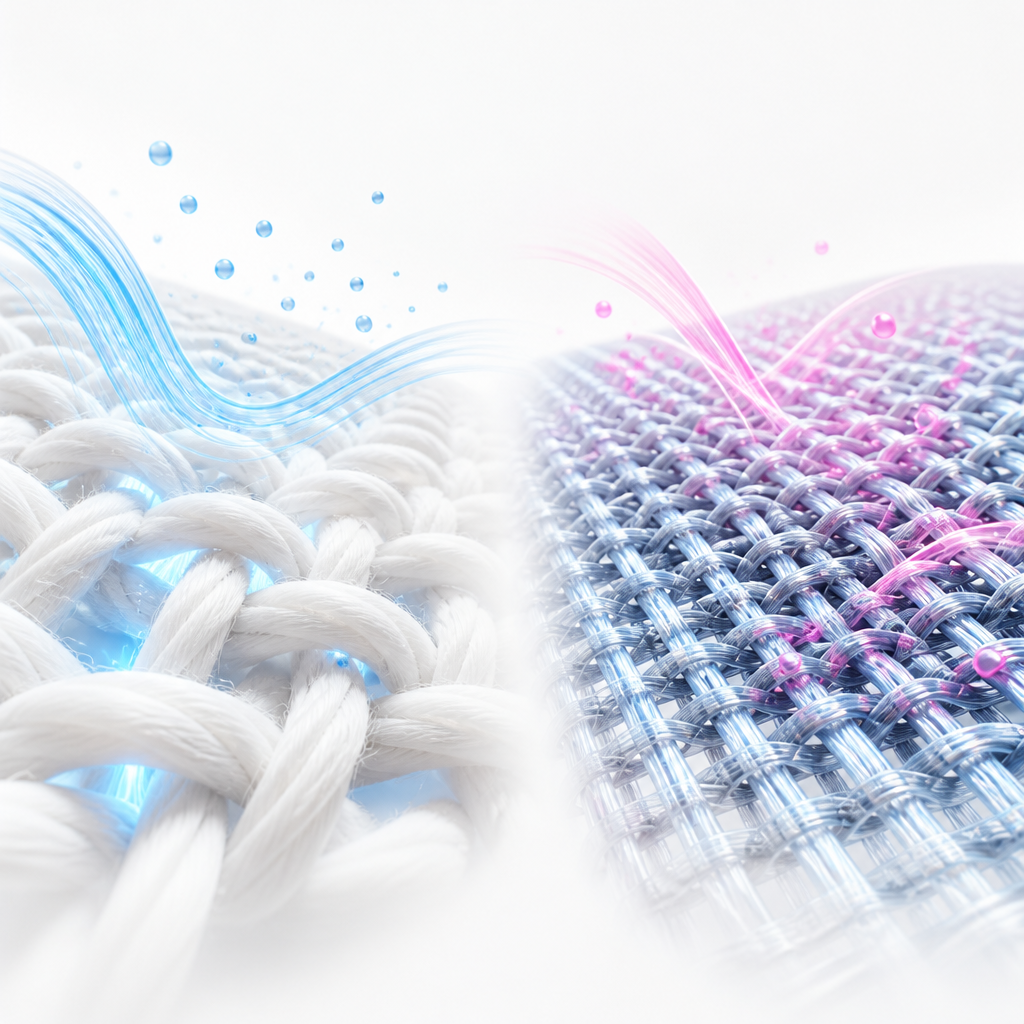
Protecting the surgical area from physical stress is paramount for an optimal cosmetic and functional outcome. Because the labia majora are subjected to constant movement and friction during daily activities like walking and sitting, patients must actively modify their habits during the first few weeks. Implementing targeted home care and avoiding mechanical stressors ensures the delicate incisions heal symmetrically without excessive scarring.
- Proper Ice Pack Application: Always wrap the ice pack in a clean, soft towel. Never apply ice directly to the bare skin, as extreme cold can compromise local microcirculation and cause skin irritation.
- Eliminating Tight Apparel: Avoid skinny jeans, leggings, shapewear, or tight synthetic underwear. These garments exert continuous mechanical pressure on the labia majora, compressing the tissues, elevating local temperature, and increasing the risk of bacterial growth.
- Maintaining Postural Comfort: When resting, keep your pelvis slightly elevated with a soft pillow and lie in a supine position to naturally encourage lymphatic drainage away from the perineum.
- Gentle Hygiene Protocols: Cleanse the area using only lukewarm water as directed by your surgeon, and gently pat the area dry with a clean paper towel instead of rubbing it.
To help guide your daily decision-making process during recovery, please refer to the following clinical evaluation pathway:
If-Then Postoperative Care Decision Flow:
Step 1 (Within 48 hours): IF you experience active swelling, THEN apply wrapped ice packs for 15-minute intervals and rest horizontally to minimize capillary leakage.
Step 2 (Days 3 to 7): IF the initial swelling begins to stabilize, THEN discontinue active cold therapy, focus on keeping the area dry, and wear loose, breathable cotton garments.
Step 3 (Anytime during recovery): IF you observe sudden, asymmetric swelling accompanied by severe throbbing pain, THEN contact the specialists at 다움산부인과 immediately to rule out a hematoma.
Frequently Asked Questions FAQ
QIs some asymmetrical swelling normal during the first week?
Yes, asymmetrical swelling is very common after labia majora plasty. The left and right sides of the body heal at slightly different rates, and physical habits—such as sleeping more on one side—can cause fluid to accumulate unevenly. This asymmetry typically resolves naturally as the overall swelling subsides over 2 to 3 weeks.
QWhy is wearing loose clothing emphasized so much by gynecologists?
Tight clothing traps body heat and sweat, creating a warm, humid environment that favors bacterial proliferation. Additionally, the constant friction of tight fabric against the suture line can cause micro-tears in the healing skin, potentially leading to wound irritation, infection, or premature suture dissolution.
QWhen can I return to light exercise and normal sitting postures?
Light walking can be resumed within 3 to 5 days, as it helps promote healthy circulation and reduces swelling. However, sitting upright on hard surfaces for extended periods should be limited for the first week. Strenuous exercises, heavy lifting, cycling, and squatting should be completely avoided for at least 4 to 6 weeks to protect the deep tissue layers.

This content is general medical information, and individual treatment decisions should be made through imaging tests and in-person medical evaluation.
Author: Medical content editor based on medical information research
Reviewed by: Specialist consultation from the relevant department
Last reviewed: 2026-07-28
Reference guideline: 2022 International Society of Cosmetogynecology (ISCG) Clinical Recommendations
Medical neutrality and closing note
The core of medical decision-making is not to follow a specific device or a trending procedure, but to choose an option that fits each patient’s individual anatomy, condition, risk level, and treatment goals. Every procedure has both advantages and limitations, so decisions should be made after sufficient discussion with an experienced specialist.
[Medical information and copyright notice]
This content is a professional medical column prepared based on medical consultation from 다움산부인과.
The infographics used in this article are created to support understanding and may differ from actual clinical results.
The information provided is a general medical guideline, and accurate diagnosis and treatment require an in-person evaluation by a qualified specialist.