When is Labiaplasty Clinically Necessary? A Comprehensive Medical Guide to Functional Recovery and Aesthetics
Are You Experiencing Unexplained Discomfort? Understanding the Anatomy of Labia Minora Hypertrophy
Many women experience chronic discomfort in their pelvic region but struggle to identify the exact cause. Often, physical distress during daily activities like cycling, walking, or sitting is rooted in anatomical variations. When seeking guidance at an experienced gynecology specialist in Eonju Station, patients frequently discover that their persistent symptoms stem from labia minora hypertrophy. Labia minora hypertrophy is defined as a progressive, non-malignant condition where the mucosal folds of the labia minora extend beyond the labia majora, typically exceeding a lateral width of 4 to 5 centimeters, which frequently results in chronic vulvitis, physical irritation, and coital discomfort due to mechanical friction and moisture trapping.
The etiology of this condition is multi-faceted, involving genetic predisposition, hormonal fluctuations during puberty or pregnancy, mechanical stretching from childbirth, or the natural aging process. Because the labia minora consist of highly vascularized, sensitive mucosal tissue, any excess growth can lead to significant functional impairment. The tissue folding creates an environment prone to bacterial overgrowth and persistent humidity, paving the way for chronic yeast infections and localized inflammation. Despite the discomfort, many individuals delay seeking medical advice due to social stigma, allowing the condition to progress and severely affect their quality of life.
Treatment timing: Surgical intervention is optimal when physical pain, hygiene issues, or psychological distress consistently disrupt daily activities and fail to resolve through conservative management.
Non-surgical care: Mild cases can be managed through lifestyle modifications, such as wearing loose cotton clothing, utilizing barrier ointments, and avoiding mechanical triggers.
Treatment selection: The choice of procedure depends on individual anatomical variations, tissue elasticity, mucosal thickness, and personal functional restoration goals.
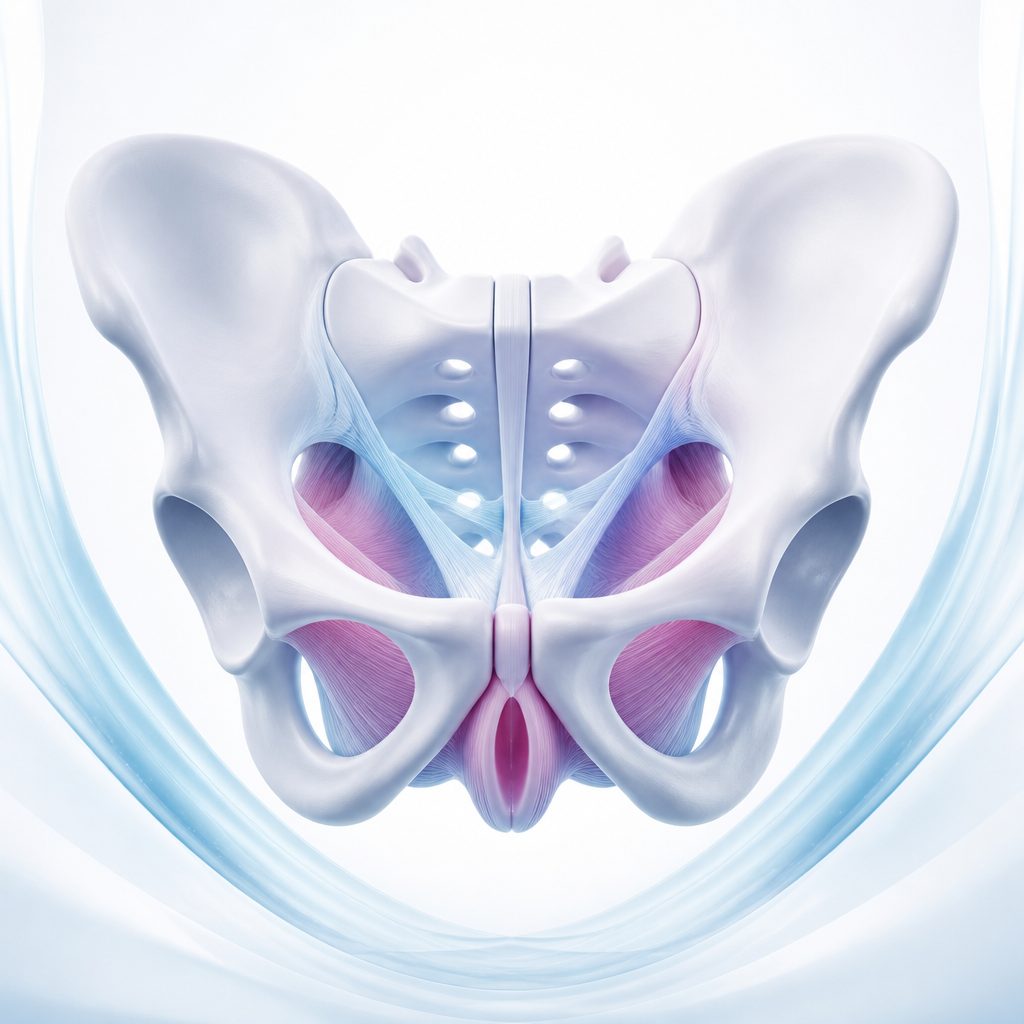
Which Surgical Technique Fits Your Condition? Comparing Laser Edge Resection vs. Wedge Resection
When conservative measures are insufficient, modern aesthetic gynecology offers highly refined surgical techniques to address anatomical asymmetry and hypertrophy. Selecting the right approach requires a thorough evaluation of the patient’s individual anatomy, the degree of pigmentation, and tissue elasticity. According to multiple observational studies and meta-analyses, such as a landmark retrospective review published in the Journal of Obstetric and Gynaecologic Research (2021), patient satisfaction rates following labiaplasty exceed 92%, primarily driven by the alleviation of physical discomfort and improved local hygiene.
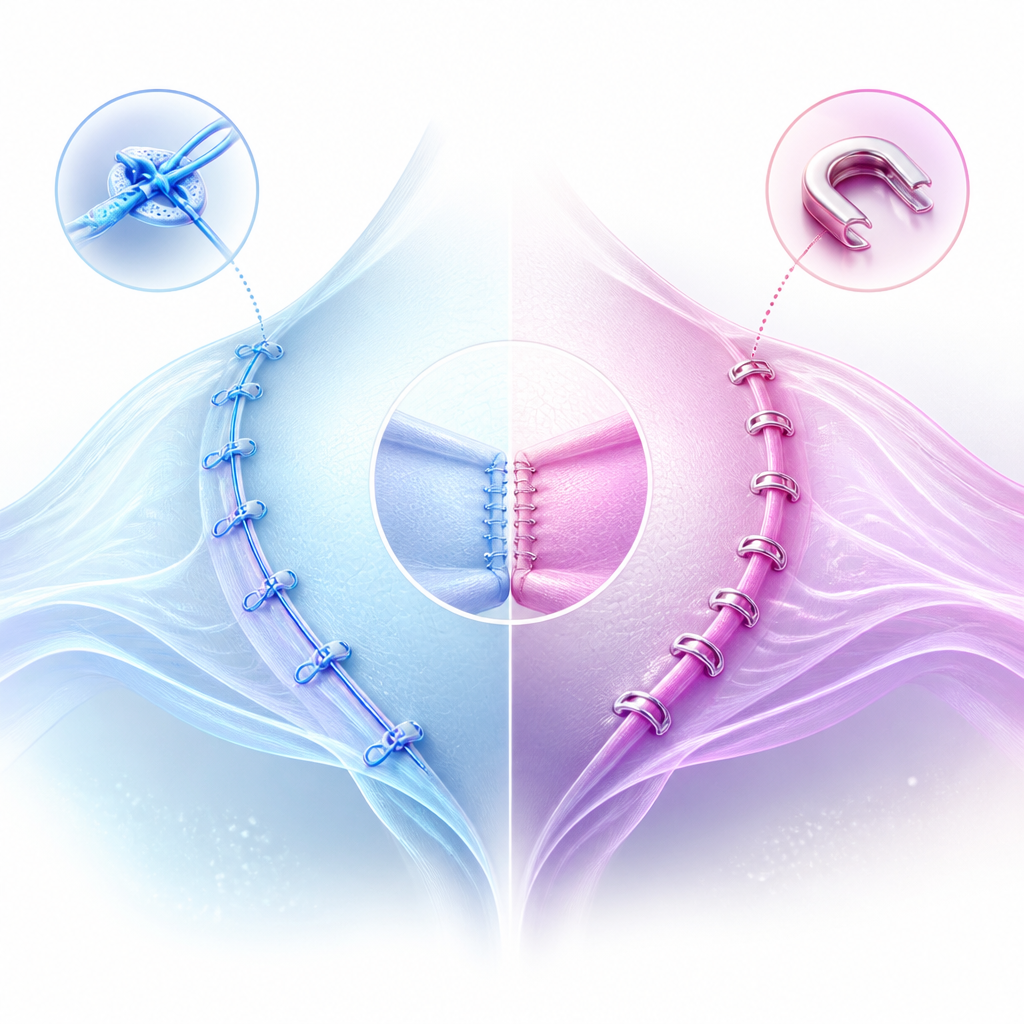
There are two primary techniques utilized in modern clinical settings. Laser Edge Resection involves removing the outer, pigmented edges of the labia minora using a high-precision surgical laser. This approach is highly effective for reducing overall tissue bulk and sealing blood vessels simultaneously, which reduces immediate postoperative swelling. On the other hand, Wedge Resection involves removing a V-shaped slice of tissue from the central, thickest portion of the labia minora, preserving the natural edge and pigmentation of the mucosal border. Each technique has specific clinical indications and must be customized based on pre-operative mapping.
| Surgical Method | Key Clinical Indication | Primary Advantage | Anatomical Limitation |
|---|---|---|---|
| Laser Edge Resection | Thick, hyper-pigmented edges with generalized tissue excess | Highly precise contouring, minimal bleeding, and rapid initial recovery | Removes the natural mucosal border, which may alter natural texture |
| Wedge Resection | Severe central hypertrophy with healthy outer mucosal borders | Preserves the natural, soft edge and original pigmentation | Requires highly advanced suturing to prevent localized wound dehiscence |
According to official guidelines from the American College of Obstetricians and Gynecologists (ACOG, 2020), both quantitative anatomical criteria and qualitative clinical judgment regarding patient-reported distress should be reviewed together before proceeding with surgical intervention.
While both procedures offer highly predictable outcomes, selecting the correct method is paramount. For instance, attempting an aggressive edge resection on a patient with highly elastic, thick tissue might lead to scalloped edges or localized hypersensitivity. Conversely, performing a wedge resection on extremely thin, fragile mucosa can increase the risk of suture failure. However, outcomes may differ in exceptional cases such as patients with pre-existing systemic connective tissue disorders, chronic localized skin conditions like lichen sclerosus, or poorly controlled endocrine conditions that impair wound healing.
How Do You Determine the Right Time for Treatment? Self-Assessment Checklist
Determining whether to undergo a surgical procedure is a deeply personal and clinical decision. Patients considering this path can use a structured self-assessment to evaluate if a consultation at a specialized gynecology center in Eonju Station is warranted. If physical symptoms begin to impair your daily routine, it is essential to monitor their frequency and severity.
- Do you experience a sharp, pinching sensation or mechanical pulling during exercise, cycling, or sitting for prolonged periods?
- Are you suffering from recurring yeast infections, bacterial vaginosis, or chronic vulvitis that does not resolve despite proper hygiene?
- Do you find yourself wearing oversized clothing specifically to avoid physical friction and pressure in the pelvic area?
- Does asymmetrical labia tissue cause noticeable difficulty with personal hygiene during your menstrual cycle?
- Is there a persistent sense of psychological hesitation, coital discomfort, or loss of confidence during intimate moments?
If you identify with multiple indicators on this checklist, a structured clinical evaluation is the logical next step. Below is a simplified, multi-step decision-making flow to guide your approach:
Treatment Decision Mini-Flow:
- Phase 1 (Conservative Care): Optimize localized hygiene, switch entirely to loose-fitting cotton underwear, and use non-scented barrier ointments for 4 to 6 weeks to see if friction symptoms subside.
- Phase 2 (Clinical Diagnostic Mapping): If symptoms persist, schedule a detailed examination at a trusted Eonju Station gynecology clinic to measure tissue hypertrophy and assess mucosal health.
- Phase 3 (Tailored Surgical Selection): Work with your specialist to map out an individualized surgical plan (such as laser edge or wedge resection) based on your anatomical characteristics and lifestyle recovery goals.
Frequently Asked Questions FAQ
QDoes labiaplasty affect local nerve sensitivity?
When performed correctly by an experienced specialist utilizing modern nerve-sparing techniques, the procedure does not reduce sexual sensitivity. The primary sensory nerves are located deep within the clitoral hood and surrounding tissues, which are carefully avoided during the resection. In fact, many patients report an increase in comfort and confidence, which positively influences their overall intimate well-being by eliminating painful coital discomfort.
QWhat is the typical recovery timeline after labiaplasty at Eonju Station gynecology?
Most patients can return to light, non-strenuous desk activities within 3 to 5 days post-surgery. However, complete mucosal remodeling and deep tissue healing typically take between 4 to 6 weeks. During this critical recovery phase, patients must strictly avoid intensive exercise, swimming, hot baths, and sexual intercourse to prevent suture irritation or localized swelling.
QCan labiaplasty be performed before future childbirth?
Yes, labiaplasty can safely be performed before childbirth. While vaginal delivery can naturally stretch pelvic tissues, the structural adjustments made during a customized surgical procedure remain highly stable and do not affect fertility or the physical capacity for natural childbirth. If tissue changes do occur after delivery, they can be clinically assessed at that time.

This content is general medical information, and individual treatment decisions should be made through imaging tests and in-person medical evaluation.
Author: Medical content editor based on medical information research
Reviewed by: Specialist consultation from the relevant department
Last reviewed: 2026-07-29
Reference guideline: 2020 American College of Obstetricians and Gynecologists (ACOG) Clinical Guidelines
Medical neutrality and closing note
The core of medical decision-making is not to follow a specific device or a trending procedure, but to choose an option that fits each patient’s individual anatomy, condition, risk level, and treatment goals. Every procedure has both advantages and limitations, so decisions should be made after sufficient discussion with an experienced specialist.
[Medical information and copyright notice]
This content is a professional medical column prepared based on medical consultation from 다움산부인과.
The infographics used in this article are created to support understanding and may differ from actual clinical results.
The information provided is a general medical guideline, and accurate diagnosis and treatment require an in-person evaluation by a qualified specialist.