Is Areola Whitening Safe? Clinical Guidelines and Treatment Selection in Daechi-dong
Why Does Areola Hyperpigmentation Occur and How Can It Be Safely Addressed?
Areola hyperpigmentation is a progressive condition driven by melanogenesis within the epidermal basal layer, often exacerbated by hormonal fluctuations (estrogen and progesterone), mechanical friction, or post-inflammatory responses. Under the care of a specialized female gynecologist in Daechi-dong, patients receive a thorough diagnostic evaluation that distinguishes physiological darkening from pathological conditions before initiating any aesthetic procedures.
Treatment timing: Initiate therapy when pigment levels stabilize post-pregnancy or lactation, typically waiting 3 to 6 months to ensure hormonal equilibrium.
Non-surgical care: Conservative management using barrier repair creams and friction reduction is reasonable for mild, superficial cases before opting for laser therapy.
Treatment selection: Clinical decisions must prioritize physiological safety, tissue depth of the melanin, and individual recovery expectations under expert guidance.
What Are the Differences Between Medical Laser Toning and Chemical Peeling?
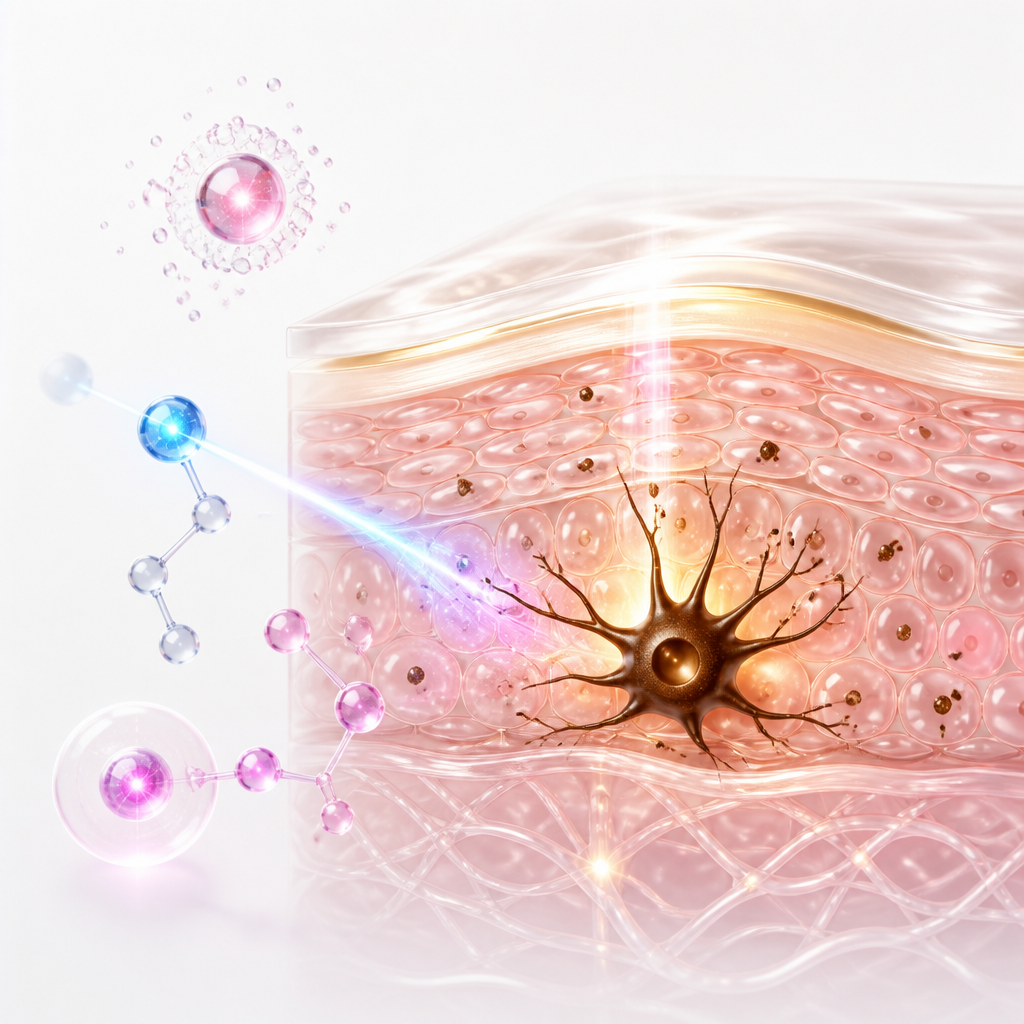
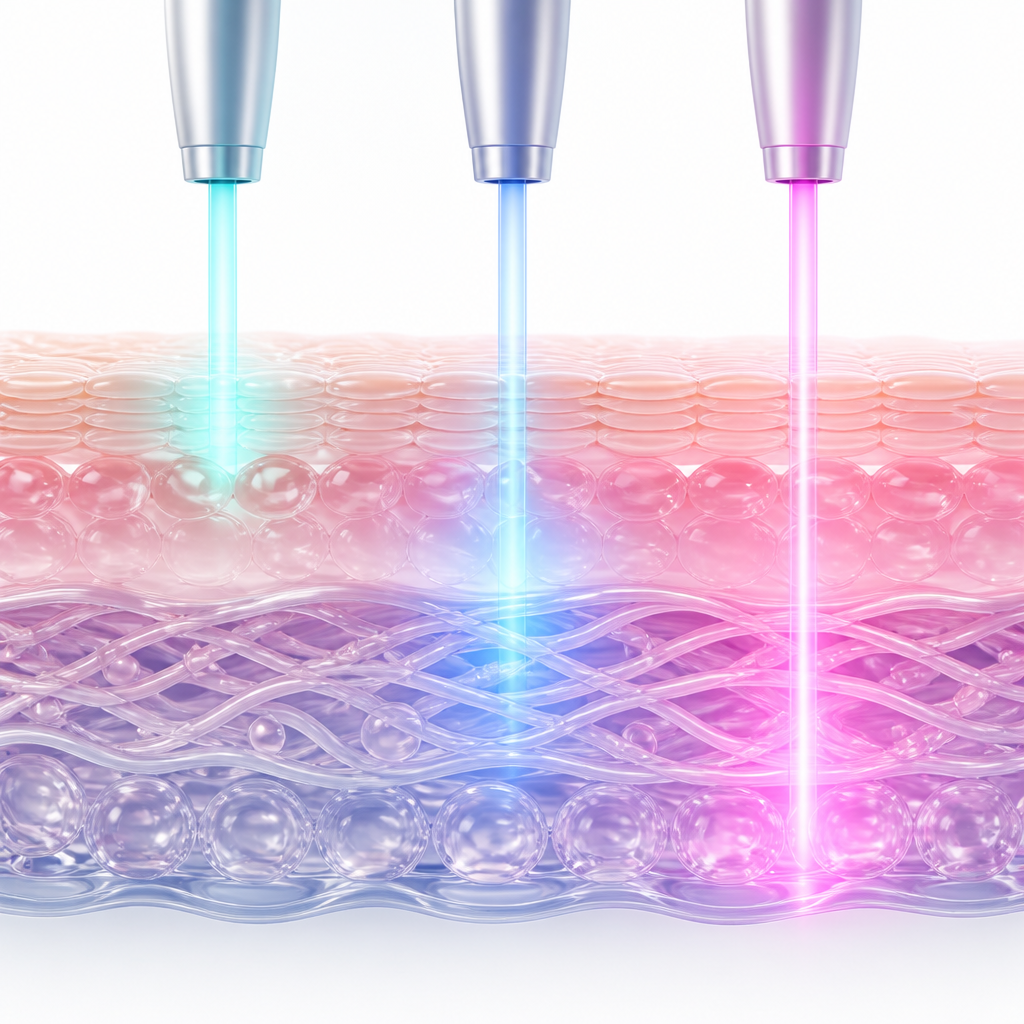
When considering areola whitening in Daechi-dong, patients often compare medical laser toning and chemical peeling. According to multiple observational studies and meta-analyses in aesthetic gynecology, selective photothermolysis remains the gold standard for deeper pigment regulation. While fractional lasers target deep dermal deposits without disrupting the outer epidermis, chemical peeling relies on acid-induced epidermal turnover to exfoliate superficial melanin. However, outcomes may differ in exceptional cases such as patients with genetic predispositions to keloid formation or severe underlying endocrine imbalances.
| Treatment Modality | Target Tissue Depth | Key Advantage | Key Limitation |
|---|---|---|---|
| Fractional Laser / Toning | Dermal-Epidermal Junction | Selectively destroys melanin without surrounding tissue damage | Requires multiple sessions (typically 5 to 10) for optimal results |
| Chemical Peeling | Superficial Epidermis | Promotes rapid cellular renewal and surface texture improvement | Higher risk of post-inflammatory hyperpigmentation (PIH) in friction-prone zones |
According to official guidelines or academic evidence, both quantitative criteria and clinical judgment should be reviewed together.
How Can Patients Select the Most Appropriate Whitening Protocol?
Selecting the correct approach involves assessing the patient’s skin type, the severity of hyperpigmentation, and systemic factors. A female gynecologist in Daechi-dong can carefully evaluate these elements, ensuring a safe, supportive, and private clinical environment. To guide patients, medical societies emphasize a systematic evaluation protocol before initiating any laser or peeling procedure.
- Melanin Depth Analysis: Utilizing polarized light dermoscopy to identify whether the pigment resides in the epidermis or dermis.
- Hormonal Level Screening: Ensuring that active fluctuations (such as pregnancy or active thyroid conditions) are stabilized.
- Friction and Lifestyle Assessment: Identifying daily mechanical factors that may trigger post-inflammatory hyperpigmentation (PIH).
- Skin Sensitivity Profiling: Assessing the physiological integrity of the local skin barrier before selecting laser fluences.
To streamline clinical decision-making, the following 3-step decision flow is recommended:
- Step 1 (If): If hyperpigmentation is epidermal and mild -> (Then): Focus on topical tyrosinase inhibitors, gentle epidermal turnover, and mechanical friction reduction.
- Step 2 (If): If pigment is deeply situated or chronic -> (Then): Initiate low-fluence medical laser toning sessions combined with skin barrier recovery agents.
- Step 3 (If): If post-treatment erythema or micro-flaking occurs -> (Then): Apply specialized healing ointments and avoid tight clothing or intensive physical activities for 48 hours.
Frequently Asked Questions FAQ
QHow many sessions of laser whitening are typically required for visible improvement?
According to domestic and international clinical guidelines, most patients see progressive improvements after 5 to 10 sessions, spaced approximately 2 weeks apart, depending on the initial melanin density.
QIs there any downtime or recovery period after the procedure in Daechi-dong?
Downtime is minimal. Patients may experience slight temporary redness or minor flaking, which resolves within 24 to 48 hours under proper clinical post-care guidelines.
QCan conservative management alone reverse deep areola hyperpigmentation?
While conservative management like friction reduction and hydration can prevent worsening, it cannot fully reverse deep, chronic melanin deposits without active medical interventions such as targeted laser toning.

This content is general medical information, and individual treatment decisions should be made through imaging tests and in-person medical evaluation.
Author: Medical content editor based on medical information research
Reviewed by: Specialist consultation from the relevant department
Last reviewed: 2026-08-05
Reference guideline: 2023 International Society of Aesthetic Plastic Surgery Guidelines
Medical neutrality and closing note
The core of medical decision-making is not to follow a specific device or a trending procedure, but to choose an option that fits each patient’s individual anatomy, condition, risk level, and treatment goals. Every procedure has both advantages and limitations, so decisions should be made after sufficient discussion with an experienced specialist.
[Medical information and copyright notice]
This content is a professional medical column prepared based on medical consultation from 다움산부인과.
The infographics used in this article are created to support understanding and may differ from actual clinical results.
The information provided is a general medical guideline, and accurate diagnosis and treatment require an in-person evaluation by a qualified specialist.