Is Customized Laser Therapy Safe for Vulvar Whitening? A Clinical Guide to Personalized Hyperpigmentation Treatment in Gynecology
Why does hyperpigmentation occur in intimate areas, and how can it be safely treated?
Hyperpigmentation in the vulvar region is a common physiological concern that often causes significant psychological distress and reduced quality of life for many women. Unlike superficial skin changes on other parts of the body, the intimate area is characterized by highly sensitive epidermal layers, rich vascular networks, and a delicate hormone-responsive mucosal environment. To address this concern safely, modern gynecology has shifted toward customized laser applications that respect individual skin types and tissue thickness.
Treatment timing: Laser intervention is clinically indicated once active inflammation, infections, or acute contact dermatitis in the target area have completely resolved for at least 4 to 6 weeks.
Non-surgical care: Conservative management, including the use of topical barrier repair creams, avoidance of mechanical friction, and botanical skin-brightening agents, is reasonable for mild, early-stage epidermal darkening before escalating to laser devices.
Treatment selection: The choice of laser parameters is strictly guided by the patient’s Fitzpatrick skin phototype, the depth of melanin deposition, mucosal tissue thickness, and the expected post-procedure recovery timeline.

What are the physiological and anatomical mechanisms of vulvar hyperpigmentation?
Anatomically, the vulva consists of both keratinized stratified squamous epithelium and non-keratinized mucosal surfaces. Hyperpigmentation of the vulva is a progressive condition characterized by the overproduction and accumulation of melanin within the basal layer of the epidermis, a process driven by both intrinsic hormonal variations and extrinsic mechanical micro-trauma. When the skin experiences persistent friction from tight clothing or hormonal fluctuations during pregnancy, oral contraceptive use, or aging, melanocyte-stimulating hormone (MSH) pathways are upregulated, accelerating melanin synthesis.
Because the skin of the labia minora and majora is highly sensitive to thermal energy, generic epidermal resurfacing treatments can easily trigger adverse outcomes. Uncontrolled thermal damage to these tissues can disrupt the epidermal-dermal junction, leading to a paradoxical increase in pigmentation, clinically known as post-inflammatory hyperpigmentation (PIH). Therefore, understanding the progressive nature of melanogenesis is crucial for designing a treatment that selectively targets pigment while preserving the surrounding cellular architecture.
Which laser technology is most suitable for delicate intimate tissues?
According to domestic and international clinical guidelines, choosing the correct laser wavelength is the most critical factor in achieving safe melanin reduction. Traditional ablative lasers carry a higher risk of scarring and prolonged recovery times, which has led to the adoption of advanced non-ablative fractional lasers and picosecond-domain lasers for vulvar rejuvenation. These technologies allow for precise thermal energy delivery, minimizing collateral damage to the delicate vulvar mucosa.
| Laser / Treatment Type | Key Advantage | Key Limitation | Clinical Indication |
|---|---|---|---|
| Picosecond Laser (1064nm) | High photo-acoustic effect, minimizing heat accumulation and lowering PIH risk. | Requires multiple sessions (typically 3 to 5) for optimal pigment clearance. | Dermal and mixed-type hyperpigmentation in darker skin phototypes. |
| Non-Ablative Er:YAG (2940nm) | Stimulates epidermal turnover and collagen remodeling safely. | Mild redness and transient swelling can persist for 48 to 72 hours. | Superficial epidermal hyperpigmentation with minor skin laxity. |
| Topical Skin-Brightening Agents | Non-invasive, home-use application suitable for mild, early-stage cases. | Slow onset of action, with risk of contact dermatitis if applied to mucosa. | Maintenance therapy or auxiliary treatment for very mild pigmentation. |
According to official guidelines or academic evidence, both quantitative criteria and clinical judgment should be reviewed together.
How is a personalized treatment plan determined for vulvar whitening?
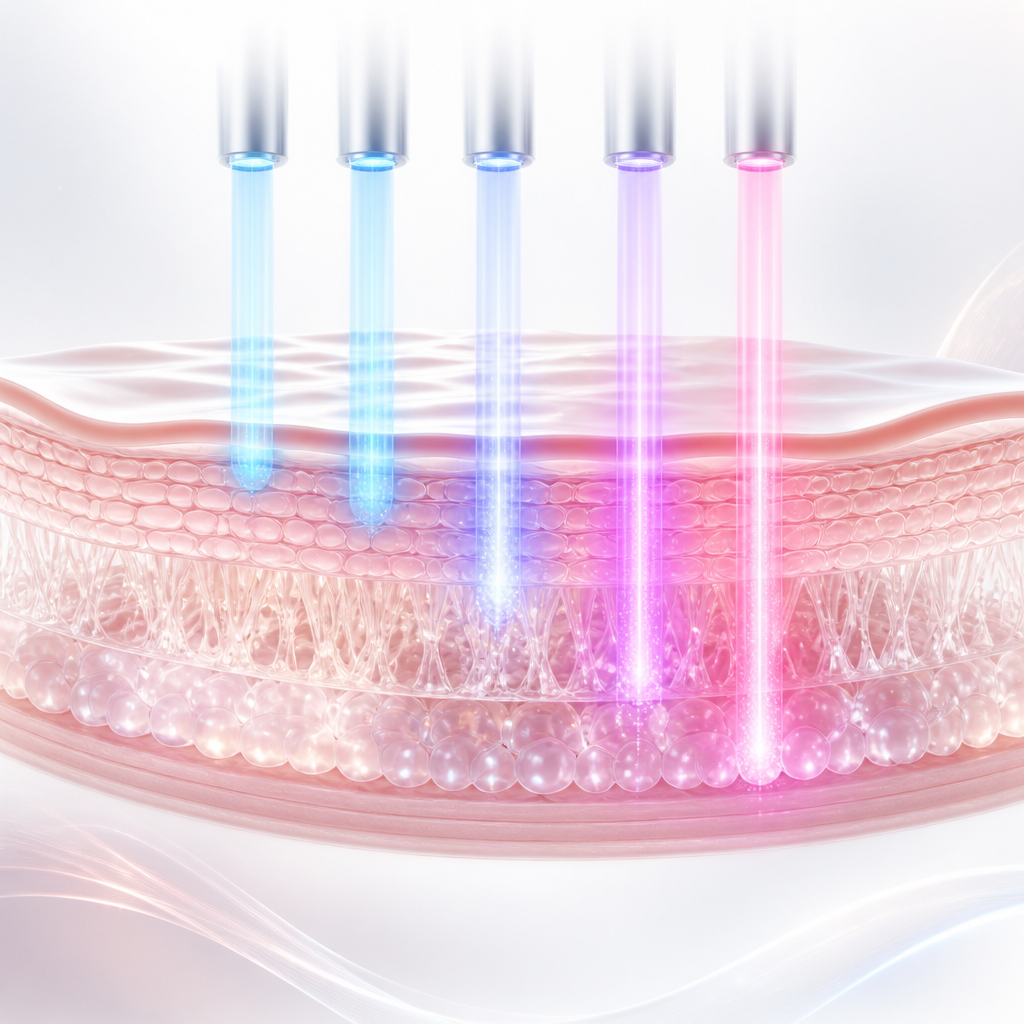
According to multiple observational studies and meta-analyses published in PubMed (2022), a standardized, one-size-fits-all approach to intimate whitening often yields sub-optimal results or exacerbates epidermal sensitivity. A successful, customized treatment plan must evaluate multiple clinical parameters, including Fitzpatrick skin type, tissue laxity, and vascularity. By adjusting the laser’s pulse width, spot size, and fluence, specialists can deliver energy that targets only the abnormal melanin deposits while sparing the surrounding healthy cells.
During the clinical consultation at 다움산부인과, a thorough assessment is conducted to rule out systemic causes of hyperpigmentation, such as Acanthosis Nigricans associated with metabolic syndromes. This comprehensive approach ensures that the aesthetic treatment is both medically appropriate and safe for long-term health. However, outcomes may differ in exceptional cases such as patients with active autoimmune skin conditions, uncontrolled endocrine disorders, or those prone to keloid scarring, where alternative non-surgical therapies should be prioritized.
Clinical Safety & Assessment Checklist
- Pre-Procedure Skin Typing: Evaluation using the Fitzpatrick scale to adjust laser fluence and prevent PIH.
- Mucosal Integrity Check: Assessment of the vaginal and vulvar mucosa to rule out subclinical infections or severe dryness.
- Hormonal Screening: Identification of underlying endocrine fluctuations that might cause rapid repigmentation.
- Post-Treatment Protocol Alignment: Ensuring the patient can adhere to a 1-week recovery regimen, including avoiding tight clothing and friction.
Decision-Making Flow for Intimate Whitening
Step 1: If the patient presents with mild epidermal darkening and high skin sensitivity, then initiate conservative barrier-repair topical therapy and low-fluence, non-ablative toning lasers.
Step 2: If deep dermal melanin deposition is identified in Fitzpatrick skin phototypes III-V, then utilize a specialized picosecond laser with extended pulse intervals to avoid thermal buildup.
Step 3: If significant skin laxity is observed alongside hyperpigmentation, then combine gentle fractional skin-resurfacing lasers with localized cell-regeneration growth factors post-procedure.
Frequently Asked Questions FAQ
QIs the laser whitening procedure safe for sensitive mucosal tissues?
Yes, when performed by an experienced specialist using specialized laser systems, the procedure is safe. These advanced lasers target only the melanin pigment within the basal layer, utilizing photo-acoustic or fractional thermal energy to clear pigmentation without damaging the underlying mucosal tissue or compromising the protective vaginal flora.
QHow many sessions are typically required to see noticeable results?
While individual skin types and pigment depths vary, most clinical protocols require 3 to 5 sessions spaced approximately 3 to 4 weeks apart. This interval allows for natural epidermal turnover and proper tissue healing, ensuring gradual and natural-looking skin tone improvement.
QWhat is the recovery period, and are there any daily life restrictions?
The immediate recovery period is minimal, usually lasting 3 to 5 days. Patients are advised to avoid intense physical exercise, saunas, hot baths, and sexual activity for approximately 1 week to allow the delicate skin barrier to recover completely. Wearing loose-fitting clothing during this period helps minimize friction and supports optimal healing.
This content is general medical information, and individual treatment decisions should be made through imaging tests and in-person medical evaluation.
Author: Medical content editor based on medical information research
Reviewed by: Specialist consultation from the relevant department
Last reviewed: 2026-08-06
Reference guideline: International Society of Cosmetogynecology (ISCG) Guidelines 2023
Medical neutrality and closing note
The core of medical decision-making is not to follow a specific device or a trending procedure, but to choose an option that fits each patient’s individual anatomy, condition, risk level, and treatment goals. Every procedure has both advantages and limitations, so decisions should be made after sufficient discussion with an experienced specialist.
[Medical information and copyright notice]
This content is a professional medical column prepared based on medical consultation from 다움산부인과.
The infographics used in this article are created to support understanding and may differ from actual clinical results.
The information provided is a general medical guideline, and accurate diagnosis and treatment require an in-person evaluation by a qualified specialist.